The Rise of Pastel Colors in Spring 2025 Collections
The transition into spring often brings a shift in color palettes, and the 2025 season is no exception. Fashion collections this year highlight a renewed emphasis on soft, muted tones—specifically pastel shades such as soft pinks, lilacs, and mint greens. These colors, long associated with freshness and serenity, appear prominently across runways and lookbooks, signaling a broader movement toward gentle, understated elegance. Understanding how to incorporate these hues into everyday attire involves observing the ways designers combine them with textures, silhouettes, and neutral bases.
The appeal of pastel colors lies in their versatility. Unlike bold, saturated shades that demand attention, pastels offer a subtle way to introduce color without overwhelming an outfit. For those building a spring wardrobe, these tones provide opportunities to experiment with layering and color blocking in a measured manner. Pastels can be worn head-to-toe for a monochromatic statement or used as accents against deeper neutrals. The key is to approach them as part of a broader styling strategy rather than as standalone trends.
Many fashion houses have embraced pastels as a way to evoke calmness and optimism after seasons dominated by darker, more intense hues. The prevalence of these colors in Spring 2025 collections suggests that consumers are seeking pieces that feel both contemporary and wearable. Brands like Trend Thread have introduced capsule collections focusing on these pastel tones, offering a curated starting point for those looking to refresh their wardrobe without overhauling it.
The Pastel Palette for Spring 2025
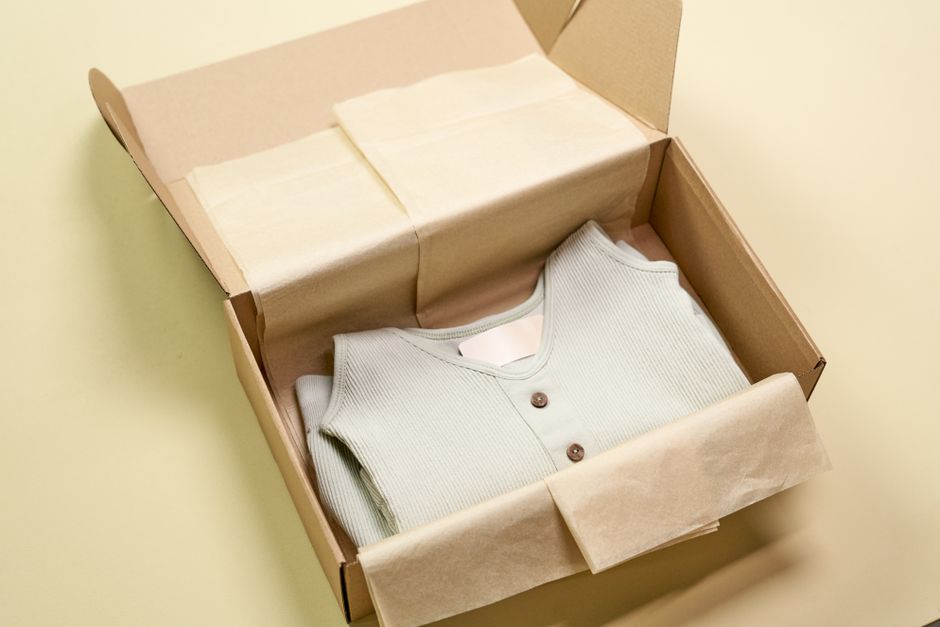
The specific pastels gaining traction this season go beyond the traditional baby blues and pinks. Soft pinks with a peachy undertone, lavender-lilac blends, and mint greens with a slight grayish cast are among the most popular. Butter yellow and powder blue also appear frequently, often in textured fabrics like linen, cotton voile, or lightweight knits. These shades share a common characteristic: they are desaturated enough to feel neutral but retain enough pigment to add a distinct color note to an outfit.
Runway presentations have demonstrated that pastels can be used in both solid blocks and subtle patterns. Floral prints on a pastel background, tonal stripe combinations, and gradient effects are recurring motifs. Designers have also paired pastels with crisp whites, creams, and warm beiges to maintain a soft overall look. In some collections, pastels are juxtaposed with deeper shades like chocolate brown or navy to create visual contrast without losing the gentle quality of the lighter tones.
Observing how pastels interact with natural light is another factor influencing their popularity. These colors tend to reflect light softly, making them particularly flattering in outdoor settings typical of spring and early summer. The palette encourages a thoughtful approach to color selection, where even small variations in hue can change the mood of an ensemble.
Styling Pastels for Daytime Looks
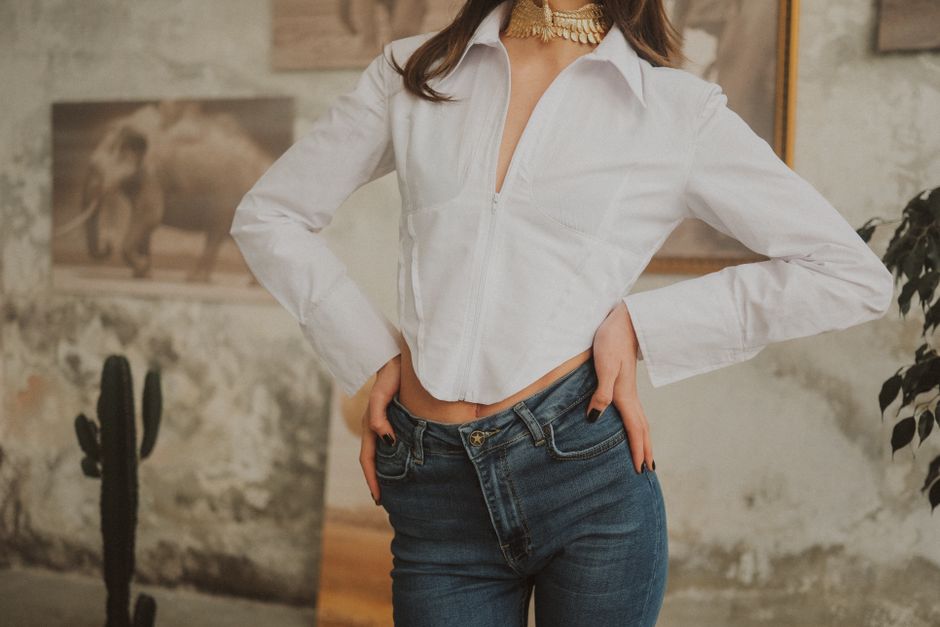
For casual daytime wear, pastels can be integrated into existing wardrobes with minimal effort. A mint green cotton shirt paired with white jeans or a soft pink cardigan over a neutral dress are straightforward combinations that rely on the color itself to create interest. Layering pastels with denim is another practical method, as the texture of denim balances the delicacy of the pastel shade. Stylists often recommend starting with one pastel piece and building the rest of the outfit around a neutral base to avoid overwhelming the eye.
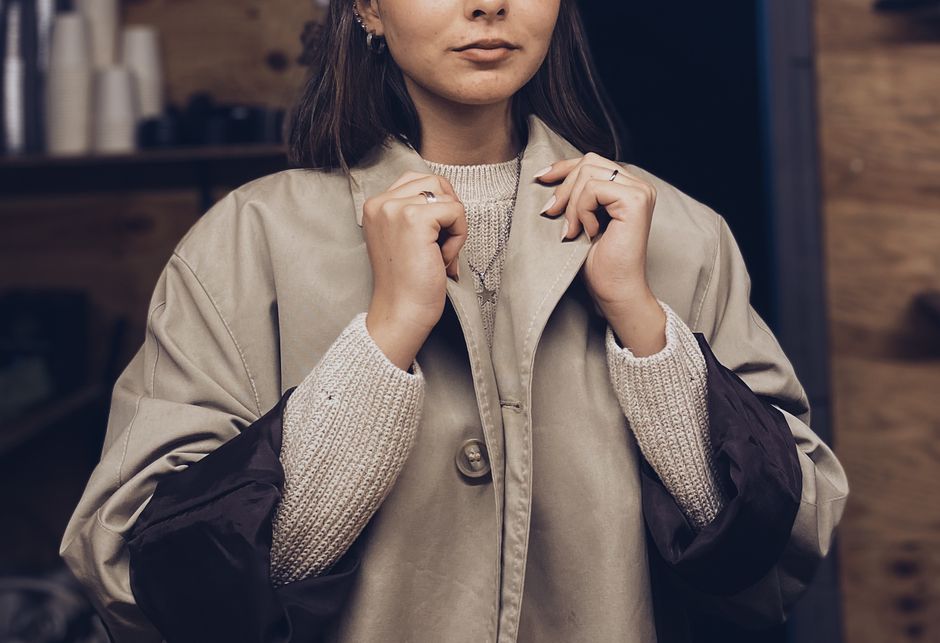
Footwear and outerwear also play roles in daytime pastel styling. Sneakers in pale pink or lilac, a lightweight trench in butter yellow, or a mint green crossbody bag can introduce color without requiring a full commitment. The key is to maintain consistency in color temperature: warm pastels (peach, coral-toned pink) pair well with warm neutrals, while cool pastels (lilac, mint) harmonize with grays and blues. Experimenting with these relationships can lead to cohesive yet varied looks.
Prints that incorporate pastels offer another entry point. A floral blouse with soft pink and lilac flowers on a white background can be the focal point of an outfit, with the pastel colors echoed in accessories. This approach allows for a more nuanced incorporation of the trend, as the pattern itself provides structure and repetition.
Incorporating Pastels into Work Attire
The workplace often calls for a more restrained color palette, but pastels can be adapted to professional settings without appearing casual. A tailored lilac blazer over a white blouse and gray trousers creates a polished look that feels modern. Similarly, a soft pink pencil skirt paired with a cream silk top maintains formality while introducing color. The light quality of pastels means they do not compete with the authority of classic office separates; instead, they add a subtle freshness.
Layering pastels with structured fabrics enhances their suitability for work. Consider a mint green wrap dress in a matte jersey or a pale pink cashmere sweater under a navy blazer. The key is to ensure that the pastel piece is cut in a professional silhouette—clean lines, appropriate length, and minimal embellishment. Accessories such as a lilac leather tote or a soft pink watch strap can also introduce color in measured amounts.
In workplaces with more flexible dress codes, pastel suits have become a notable trend. A full suit in a muted lavender or powder blue, worn with a simple white shirt and low heels, offers a sophisticated alternative to traditional neutral suiting. The effect is both approachable and authoritative, relying on the color’s softness to signal confidence without aggression. As with any workwear choice, the context of the office environment should guide the intensity of the pastel shade selected.
Evening and Special Occasion Pastels
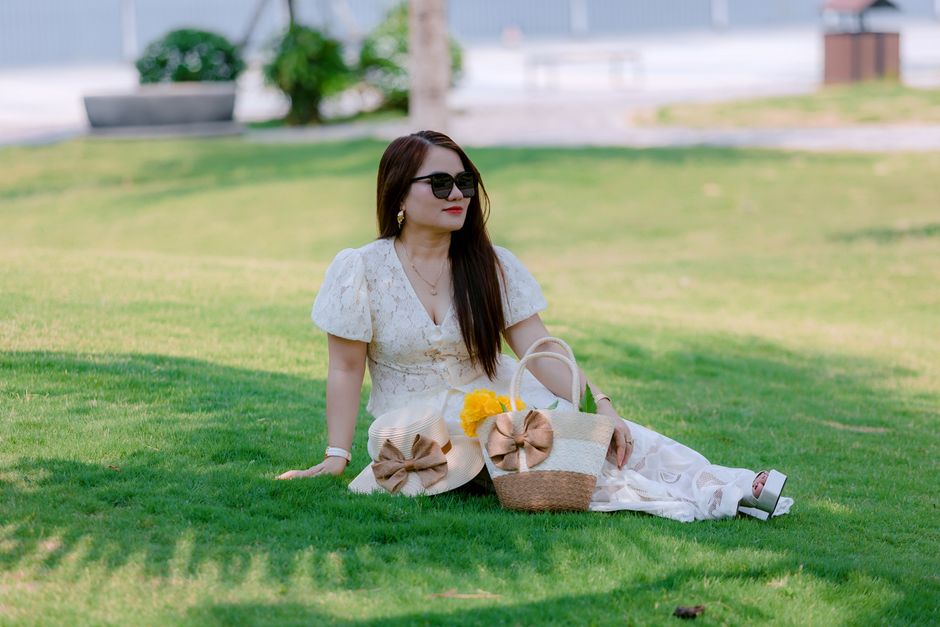
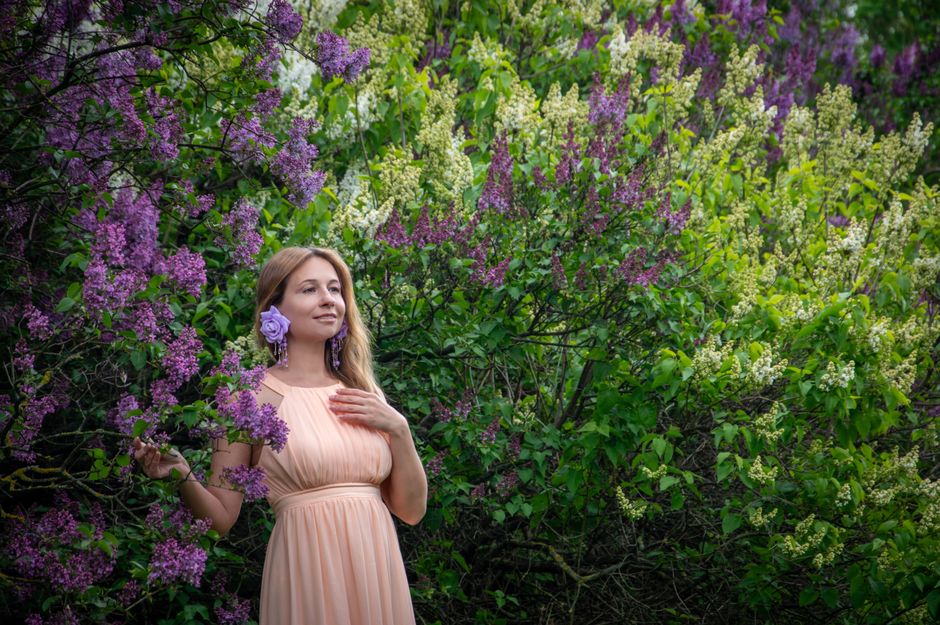
Pastels are not limited to daytime or casual settings; they have also found a place in evening wear and special occasions. Soft pink gowns with flowing silk or chiffon, lilac sequined dresses, and mint green satin slips have appeared in Spring 2025 collections designed for cocktail parties, weddings, and galas. The lighter hues can be particularly flattering under artificial lighting, as they catch and reflect illumination without appearing harsh.
When dressing up pastels, fabric choice becomes critical. Luxurious materials—silk, velvet, organza—elevate the color and add depth. Metallic accessories in silver, gold, or rose gold complement pastels by adding a reflective element. A lilac dress paired with silver strappy heels and a metallic clutch creates a cohesive, elegant look. Alternatively, pastels can be mixed with darker evening shades like charcoal or burgundy for a more dramatic contrast.
For those attending events where pastels are worn as part of a theme or dress code, understanding how to balance the color with one’s skin tone and the formality of the occasion is important. Stylists often recommend trying pastels in natural and evening light before committing, as the same shade can appear different under various conditions. Additionally, pastel makeup—such as soft pink lipstick or lilac eyeshadow—can be used to tie the entire look together.
Practical Considerations for a Pastel Wardrobe
Building a wardrobe around pastel colors involves mindful selection of pieces that offer longevity and versatility. Rather than purchasing many pastel items at once, focusing on a few key pieces—such as a blazer, a dress, and a pair of trousers—allows for gradual integration. These items can be worn with existing neutrals, and the pastel shades themselves can be mixed and matched as long as their undertones align. For example, a warm peach pink pairs naturally with a buttery yellow, while a cool lilac works well with mint.
Care and maintenance are also factors to consider. Pastel colors, especially lighter ones, may show dirt and wear more readily. Choosing fabrics that are machine washable or easy to spot-clean can simplify upkeep. Additionally, storing pastels away from direct sunlight helps prevent fading. For those who prefer a lower-maintenance approach, accessories like scarves, belts, and bags in pastel shades offer a way to engage with the trend without investing in larger garments.
Finally, the cyclical nature of fashion means that pastel trends may evolve from season to season. However, the enduring appeal of these soft hues—rooted in their ability to evoke tranquility and lightness—suggests that they will remain a relevant option for spring wardrobes. By focusing on quality, fit, and personal style, any individual can incorporate pastels into their daily outfits in a way that feels authentic and sustainable.